Superb food and excellent service. Very friendly and cozy atmosphere. The owner’s recommendation (taglierini with fresh truffles) and the entire experience made it a remarkable able evening.
Overview
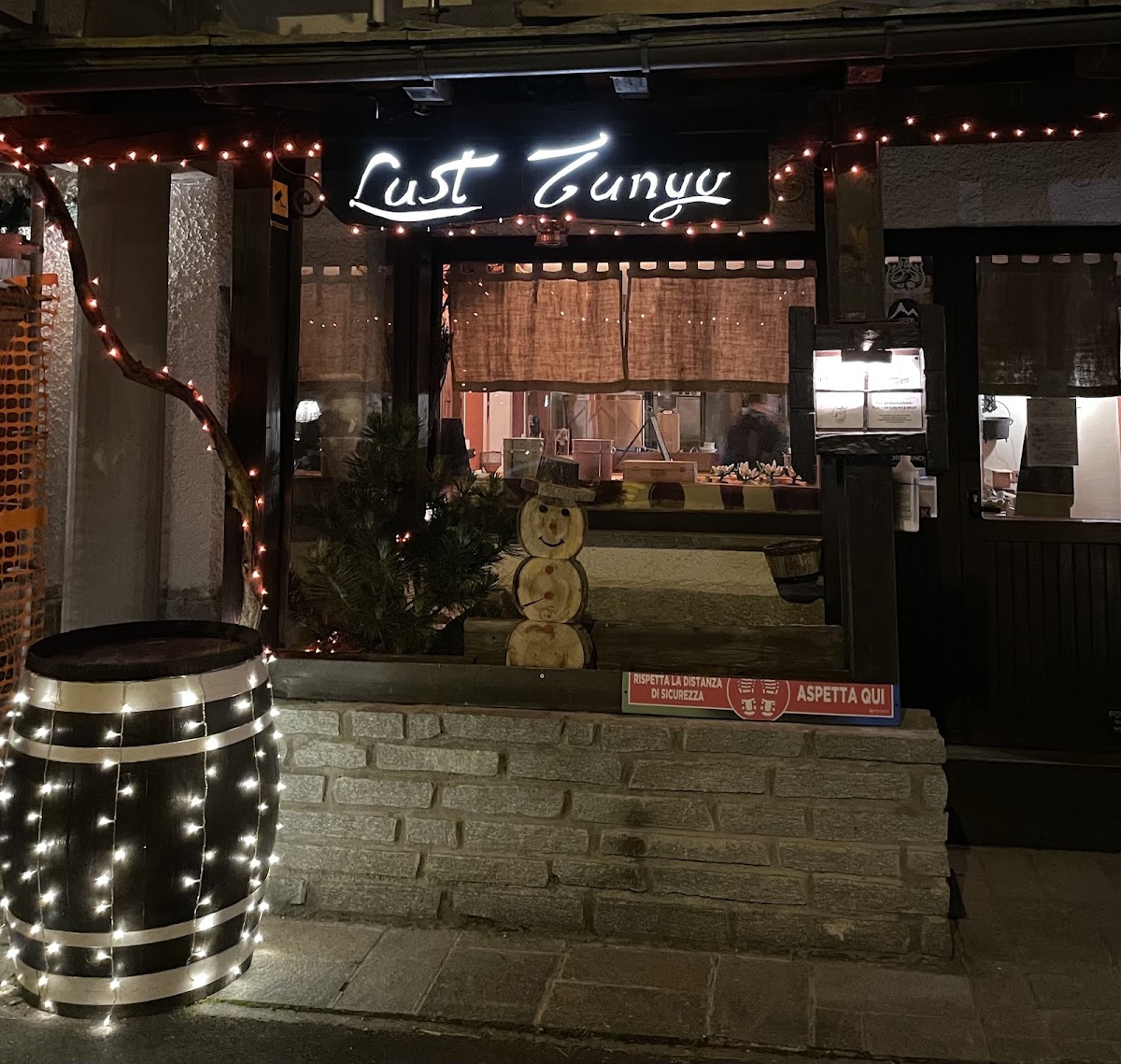
Walking into Last Tango Ristorante Grill feels like stepping into the warm side of alpine Italy, where good food is taken seriously but never feels stiff. Tucked along Via la Gleisa, 5, 10058 Sestriere TO, Italy, this spot has quietly built a reputation among skiers, locals, and food-driven travelers who want comfort, quality, and honest cooking after a long day in the mountains.
On my first visit, the dining room was buzzing without being loud. You could hear forks hitting plates and that low hum of people enjoying themselves. That atmosphere matters more than most people realize. According to hospitality research shared by Cornell University’s School of Hotel Administration, guest satisfaction rises sharply when ambiance supports relaxed conversation and clear service flow. You feel that principle in action here, especially during peak winter evenings when the restaurant stays calm even while fully booked.
The menu leans heavily into Italian grill traditions with a mountain twist. Grilled meats are the headline act, and they’re handled with precision. The chef follows a method common in northern Italy: high heat, short grilling time, and minimal seasoning to let the meat speak for itself. I watched a server explain this to a nearby table, pointing out how the cut determines the grill time rather than the other way around. That kind of detail builds trust. It’s the same approach recommended by the Italian Culinary Institute for preserving texture and natural flavor in premium beef.
Pasta dishes balance out the grill-focused menu. Fresh tagliatelle with slow-cooked ragù shows patience, something you can taste immediately. The sauce isn’t heavy or rushed. Slow Food Italy has long emphasized that longer cooking at lower temperatures improves both digestibility and flavor, and this dish is a practical example of that idea done right. If you prefer something lighter, the seasonal vegetable sides change depending on availability, which signals respect for ingredients rather than fixed recipes.
Wine selection deserves its own mention. The list is compact but thoughtful, leaning toward Piedmont and Tuscany. A server once suggested a Barbera d’Asti with grilled lamb, explaining how the acidity cuts through richness. That pairing worked exactly as promised. Studies from the Italian Sommelier Association highlight how regional pairing enhances overall dining satisfaction, and this place clearly follows that playbook without turning it into a lecture.
Service style lands in that sweet spot between professional and friendly. During a later visit, I noticed how staff adjusted their pace depending on the table. Families got quicker turnarounds, while couples were given space. That kind of situational awareness is taught in top European hospitality programs and is often missing in tourist-heavy locations. Reviews from repeat guests often mention feeling remembered, which is a strong signal of consistent service standards.
Location plays a big role in the restaurant’s appeal. Being close to ski lifts makes it an easy choice after a cold day outside. ISTAT tourism data consistently shows that mountain diners prioritize proximity and warmth over novelty, especially in winter months. This restaurant nails both, offering hearty food without sacrificing finesse.
There are a few limitations worth noting. During high season, reservations are almost essential, and walk-ins may face a wait. The menu doesn’t cater heavily to strict dietary restrictions, though staff usually tries to adapt when possible. Transparency around this is appreciated and keeps expectations realistic.
Overall, the combination of thoughtful cooking, grounded hospitality, and a menu that respects Italian grilling traditions explains why this place earns strong reviews year after year. It’s not chasing trends or social media hype. Instead, it focuses on doing a few things very well, which, in real dining terms, is usually what keeps people coming back.
Good to know
Service options
✓ Outdoor seating ✓ Takeaway ✓ Dine-inHighlights
✓ Fireplace ✓ Great coffee ✓ Great dessert ✓ Great wine listPopular for
✓ Lunch ✓ Dinner ✓ Solo diningAccessibility
✓ Wheelchair-accessible car park ✓ Wheelchair-accessible entrance ✓ Wheelchair-accessible seating ✓ Wheelchair-accessible toiletOfferings
✓ Alcohol ✓ Beer ✓ Cocktails ✓ Coffee ✓ Healthy options ✓ Spirits ✓ Vegetarian options ✓ WineDining options
✓ Lunch ✓ Dinner ✓ Dessert ✓ Seating ✓ Table serviceAmenities
✓ Bar on site ✓ Toilet ✓ Wi-Fi ✓ Wi-FiAtmosphere
✓ Casual ✓ Cosy ✓ Quiet ✓ Romantic ✓ TrendyCrowd
✓ Family friendly ✓ Groups ✓ TouristsPlanning
✓ Lunch reservations recommended ✓ Reservations required ✓ Dinner reservations recommended ✓ Accepts reservationsPayments
✓ Credit cards ✓ Debit cards ✓ NFC mobile payments ✓ Credit cardsChildren
✓ Good for kids ✓ High chairs ✓ Kids' menuParking
✓ Free of charge street parking ✓ Free parking lot ✓ ParkingPhotos
1 / 4
Location
Reviews
- No ratings yet 394 reviews
Excellent ambiance, each table is a piece of art. Delicious. You feel like in Michelin star restaurant. If you around or passing by, a must have visit location. You need to reserve your table in advance. Cozy atmosphere. Very friendly staff.
Spectacular to say the least!! Food was excellent, same for the ambience, and service thanks to Ronnie and his team was superb. Can’t be missed if you want to have the best dining experience in Sestriere
Great evening, Ronnie and his team are excellent and passionate about the food they serve. If you are in Sestriere you should go. Excellent cheeses to round off a great meal.
Excellent menu and wine selection. The owner is also a ski instructor and is very personable and great with kids. The selection of cheeses is fantastic. If you have kids but still want to have an “adult meal” there is a kid’s menu. Overall, I highly recommend this if you are in Sestriere. The picture is a smoked beef carpaccio with fresh black truffles.
Phenomenal service and good quality food Rodney is an exceptional host, extremely knowledgeable. The food was fantastic, highly recommended 10/10
Very homely atmosphere Thank you Ronnie! Exquisite cuisine, delicious meat and steak. Italian wine of the best quality